![{[setting('site_name')]}](https://brick.news/uploads/setting)
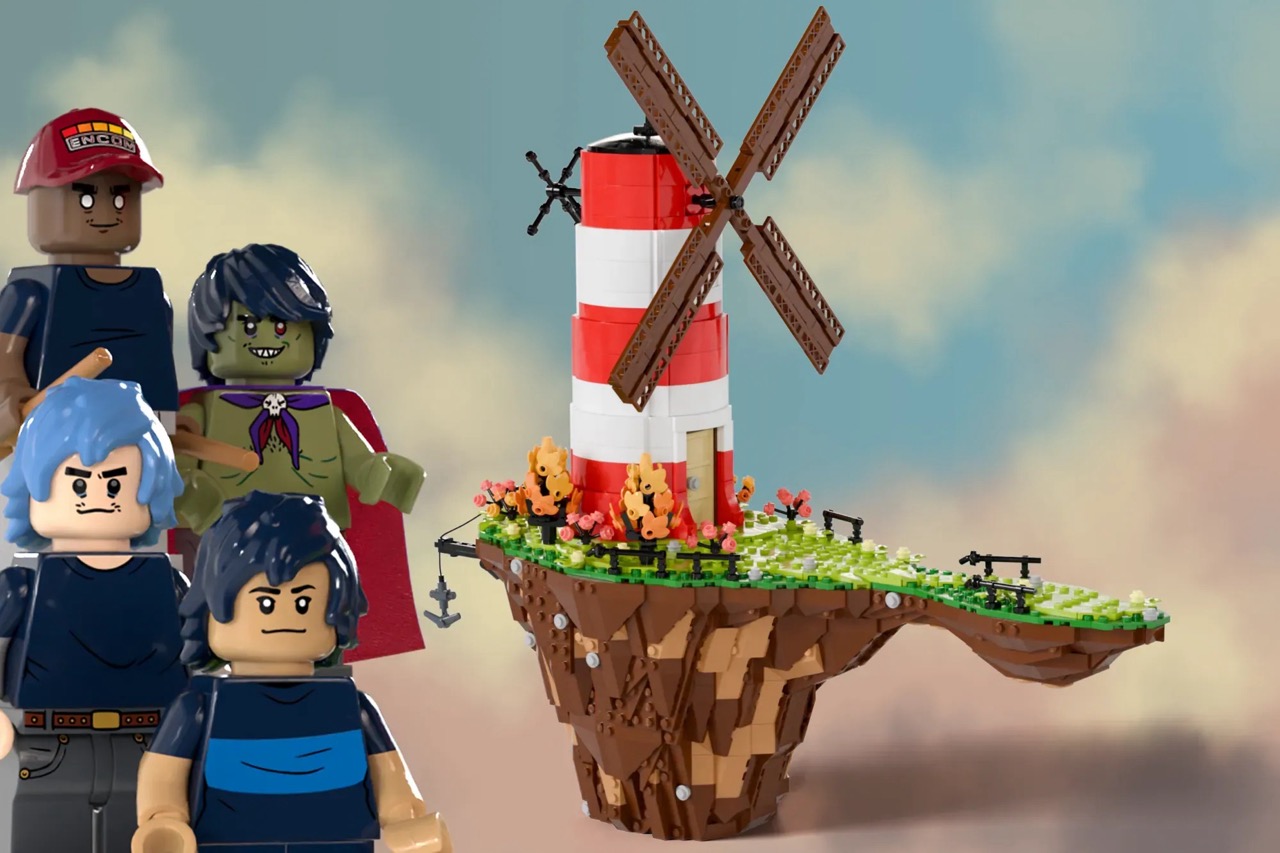
When you think of Gorillaz, you probably picture a spinning windmill floating through clouds, tethered only by a haunting bassline and existential dread. Now imagine that island built from LEGO® bricks. One fan did. The result? The Gorillaz Flying Windmill Island, a detailed LEGO® Ideas project that merges the melancholic world of Feel Good Inc. with the tactile joy of plastic bricks.
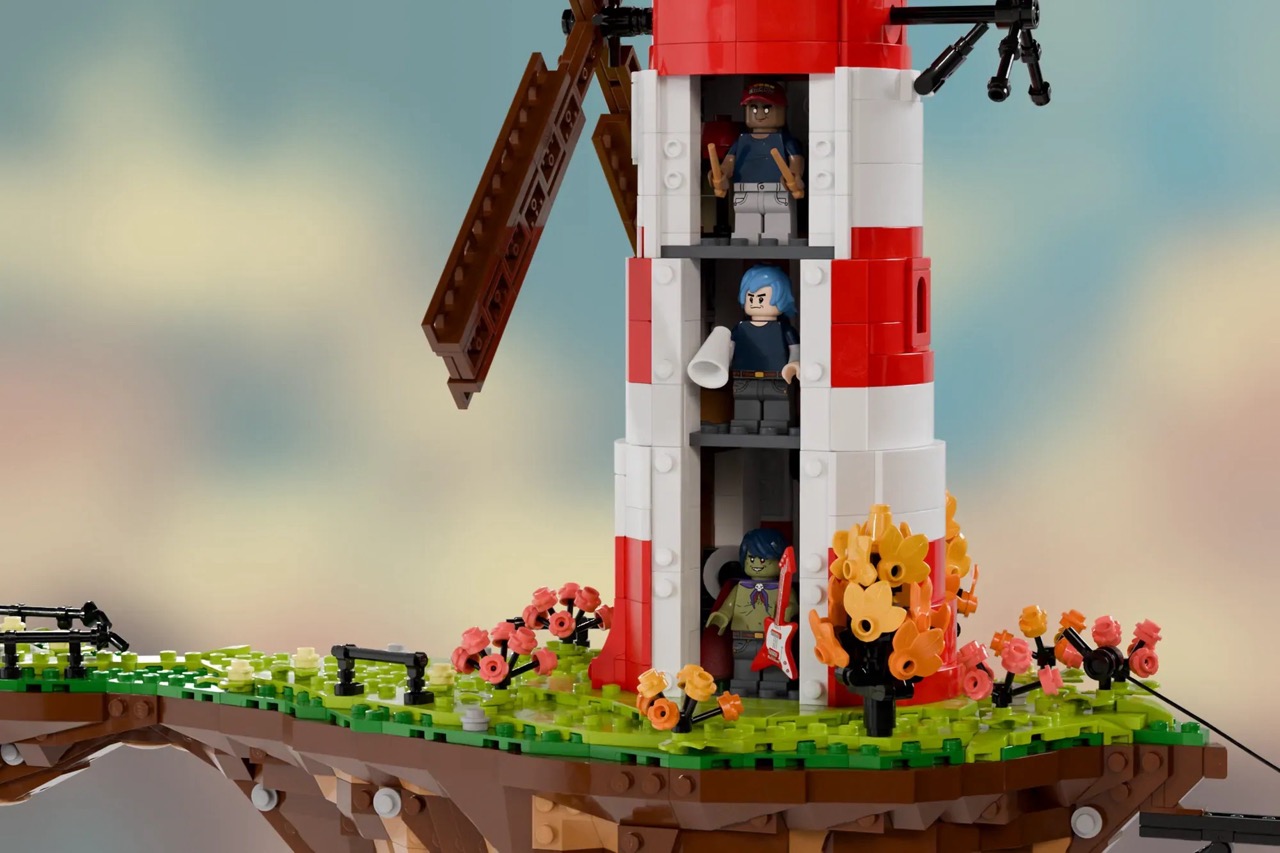
The build sits somewhere between pop culture shrine and architectural model. It’s designed for display, not play. The creator nailed the vibe: isolation, movement, a little sadness, and a lot of character.
Bricks, beats, and bandmates
The model uses about 1,800 pieces, enough to recreate the floating terrain, windmill blades, and signature anchor from Jamie Hewlett’s artwork. The windmill spins. The base is flat, intentionally, stability over spectacle. This isn’t a flying island; it’s a grounded celebration of one.
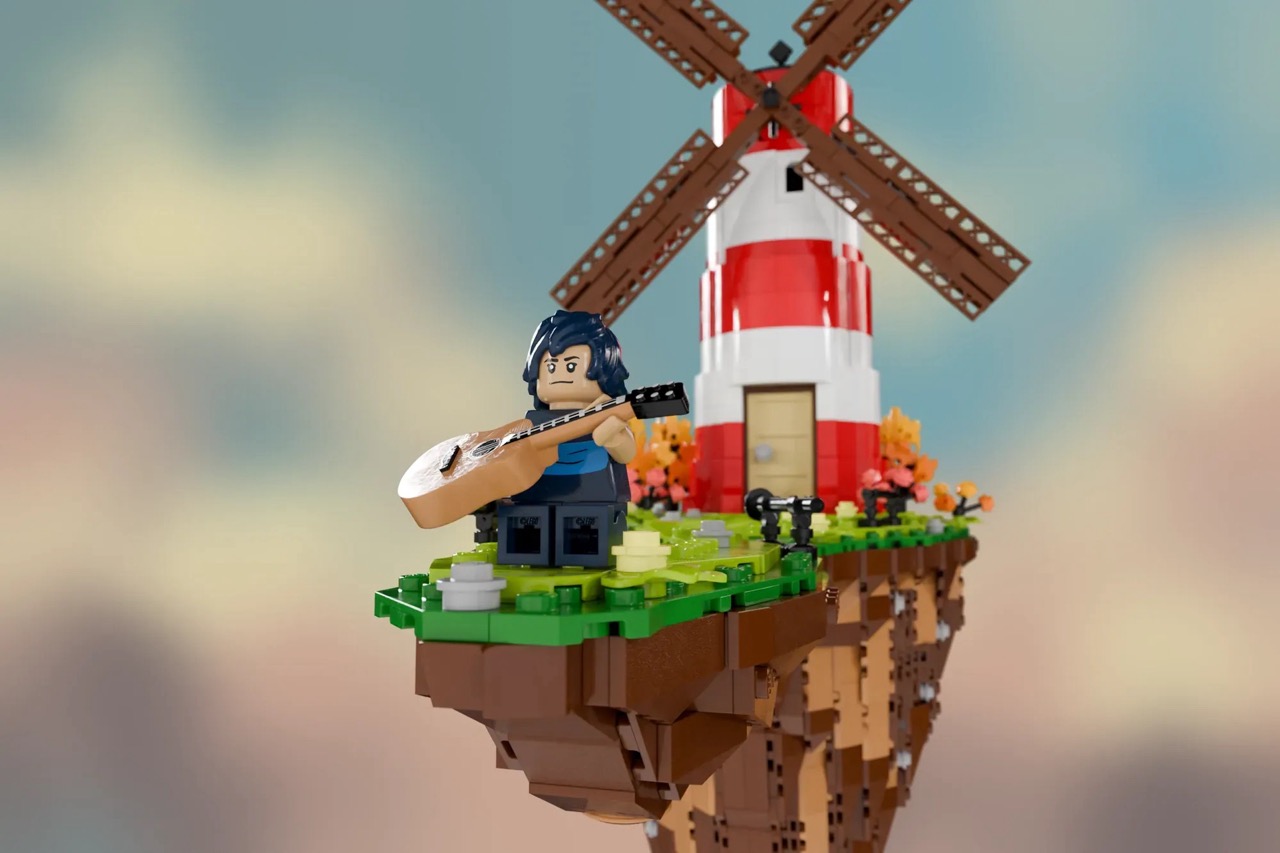
Each member of the animated band makes the jump to minifigure form. 2D, the hollow-eyed singer. Murdoc, forever green and grimy. Noodle, guitar-slinging prodigy. Russel, stoic behind the drums. They’re built in their Feel Good Inc. phase two looks, complete with subtle costume touches only fans would notice.
Why it matters to fans
For the designer, this was personal. They describe Gorillaz as “a huge part of my life,” and that shows in every detail. The project marks the song’s 10-year anniversary and its slow march toward one billion YouTube views. In that sense, this build is not just a display piece. It’s an emotional time capsule.
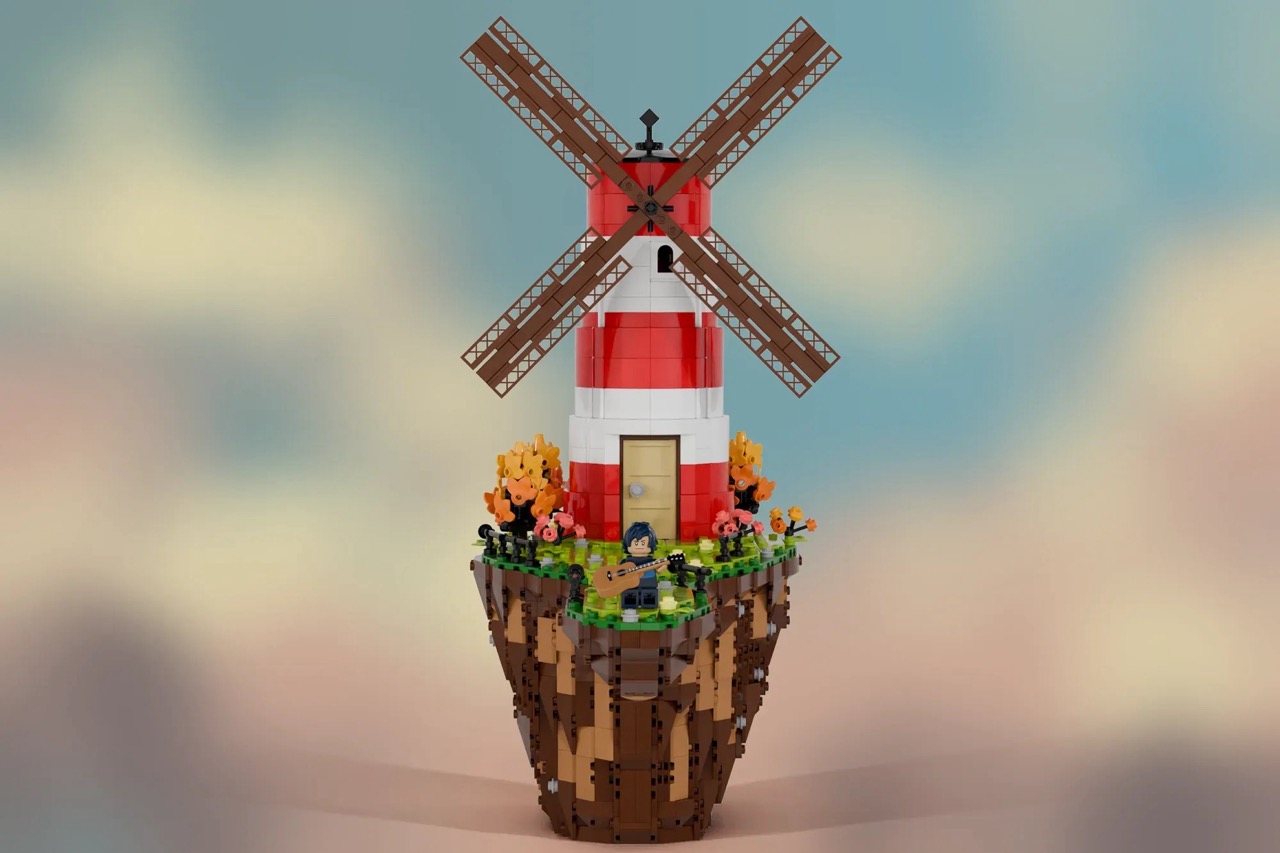
The Flying Windmill Island isn’t just iconic because of the animation. It’s symbolic, freedom above the noise, art above industry. Translating that into LEGO® feels poetic. A toy made for rebuilding becomes the vessel for a band built on reinvention.
The art of plastic nostalgia
Music memorabilia usually means vinyl reissues and overpriced tour posters. Here, it’s bricks, not paper. This crossover appeals to two tribes: Gorillaz devotees and AFOLs (Adult Fans of LEGO®). It’s a collaboration between sound and form, between fandoms that understand obsession as an art form.
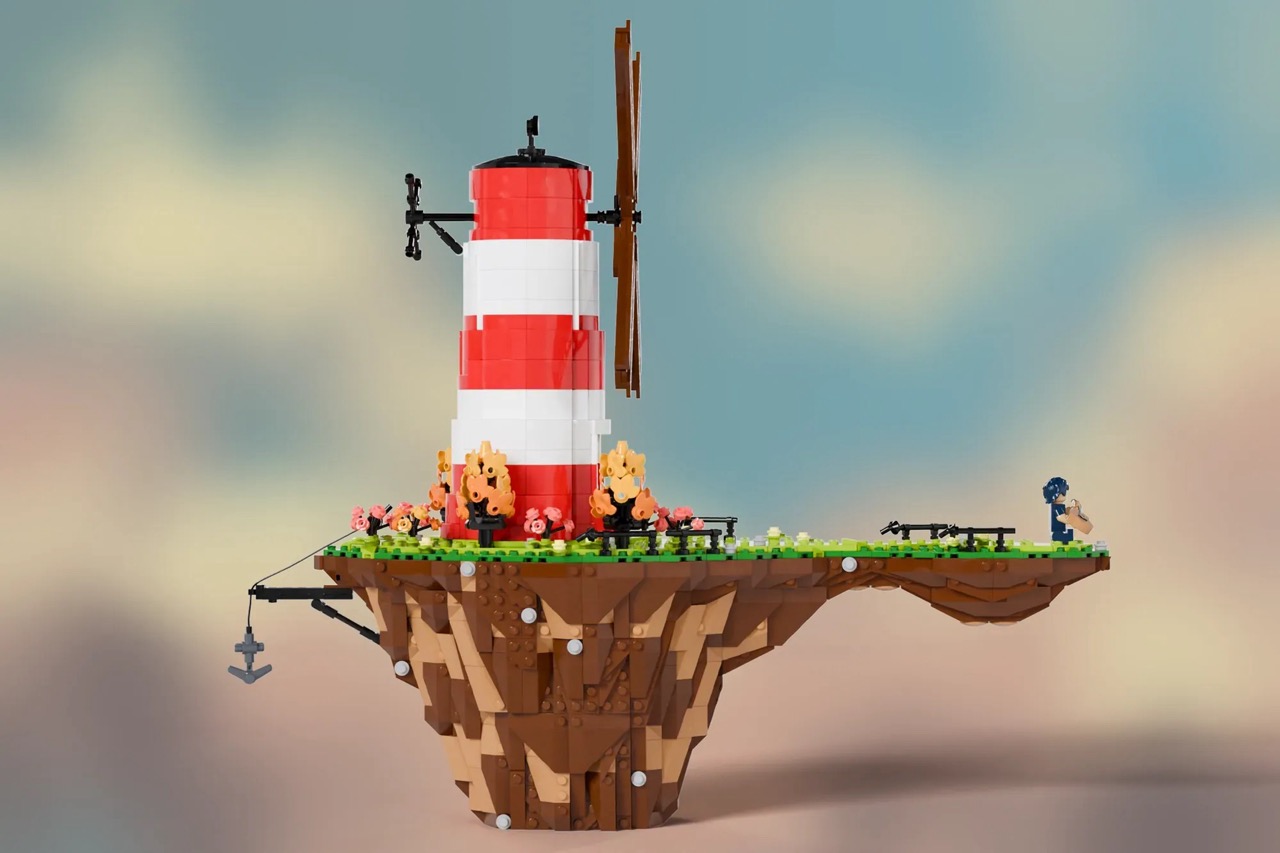
If LEGO® Ideas ever picked this up, it would be a statement piece. A shelf-sized monument to an animated band that blurred the line between sound and image long before the metaverse had a name.