
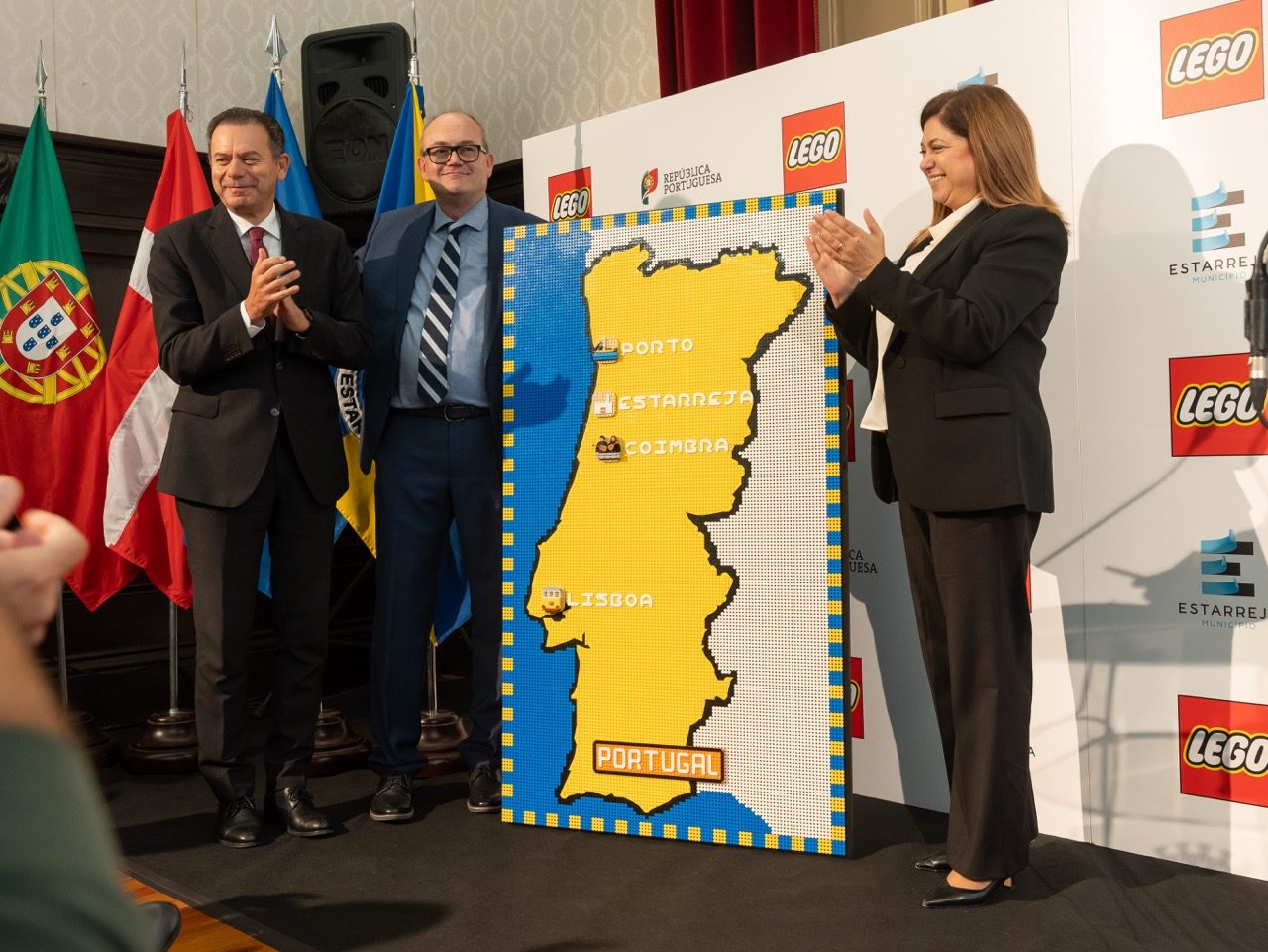
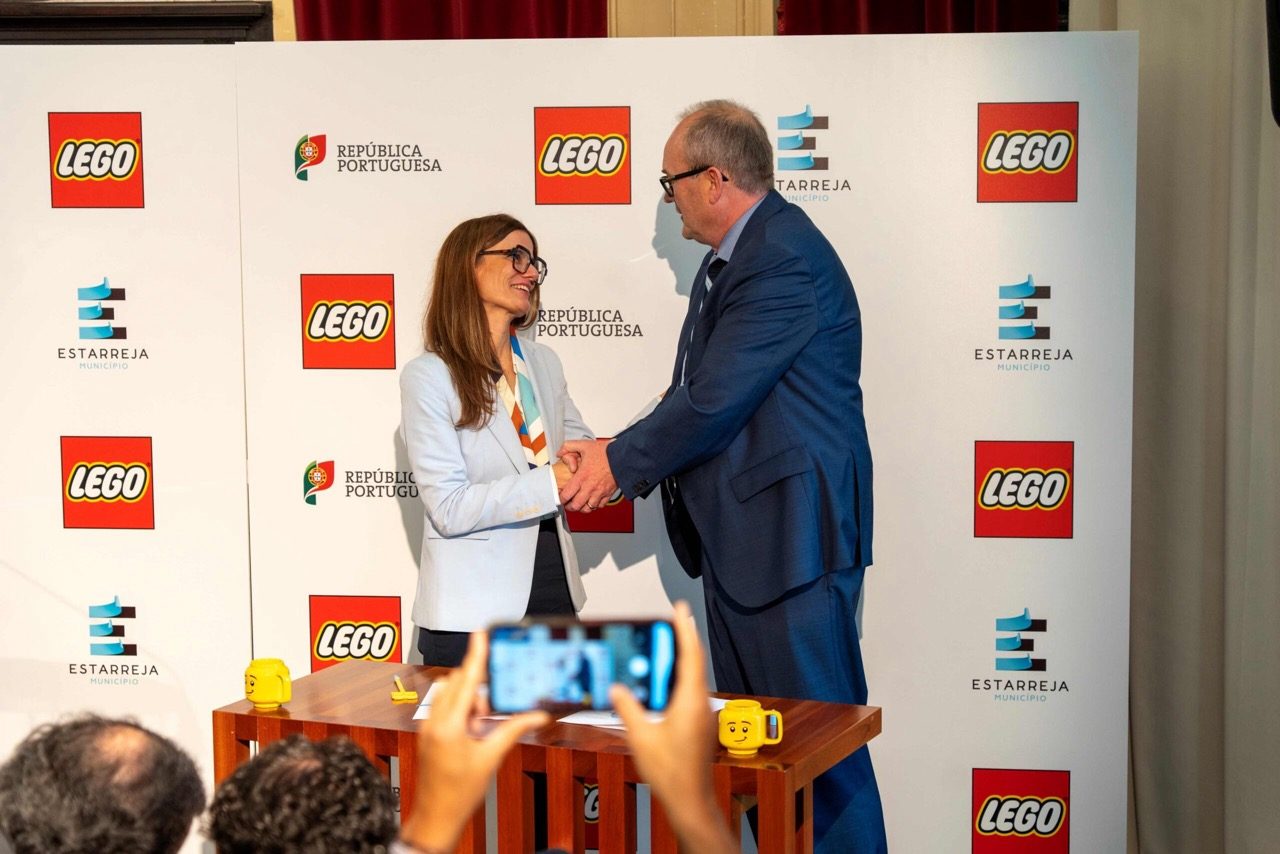
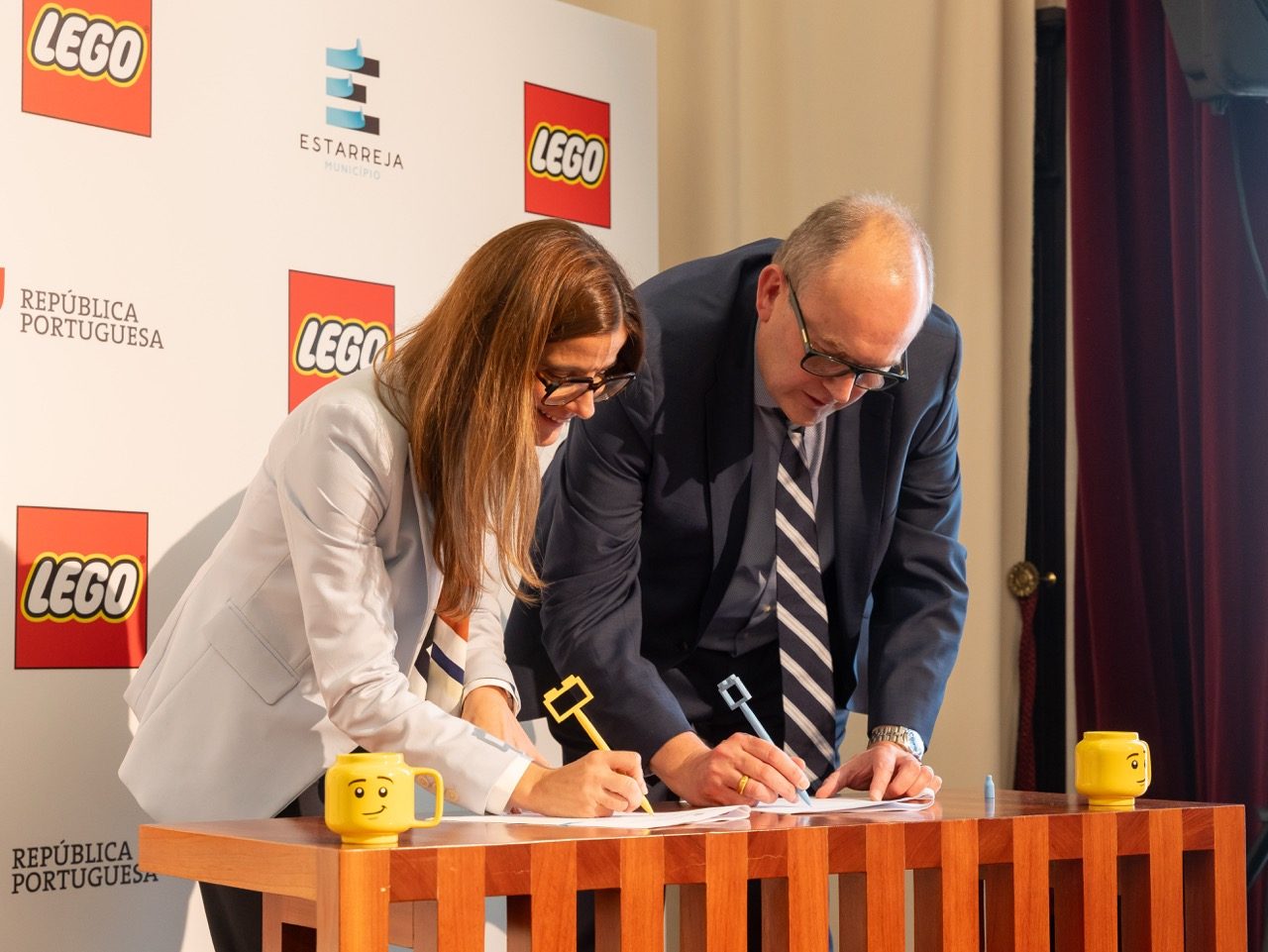
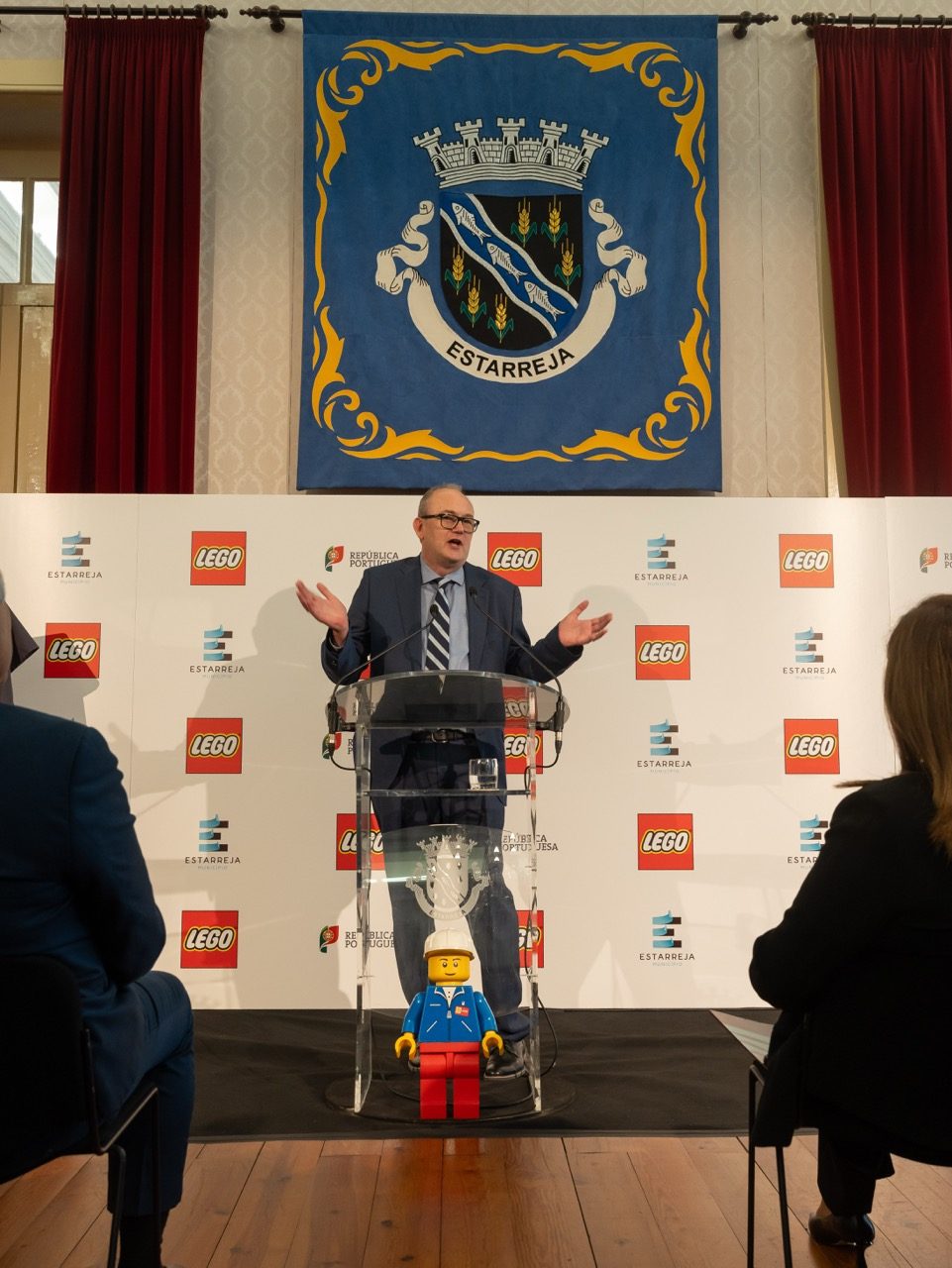
Portugal is getting its own LEGO® factory. On 23 November 2026, the LEGO® Group announced that it will invest about €1 billion over several years in a new plant in Estarreja, in the Aveiro district. When it reaches full speed, the site will employ more than 1,000 people. Every one of them will help turn plastic granules into the sets you build at your kitchen table. (Yes, someone will get paid to make LEGO® bricks for a living. Where do we sign up?)
A Baseplate the Size of 120 Pitches
The numbers read like the parts list for a very ambitious MOC. The factory building covers 115,000 m² on a 60-hectare plot, about the size of 120 football pitches. Construction should start in the first half of 2027, and the first bricks should come off the line in 2030. That gives you roughly three years to clear some shelf space. Euronews notes that the building is less than half the size of the LEGO® factory in Nyíregyháza, Hungary. Think of Estarreja as a compact build with room to grow. The LEGO® Group designed the site so it can expand later, the same way you leave a few open studs on a baseplate for whatever you come up with next.
Mould Behaviour
So what happens inside? Everything. The plant will handle production from start to finish. It will mould the elements, process them, pack the finished sets and store them in a high-bay warehouse. Chief Operations Officer Carsten Rasmussen calls it the company's most automated and advanced site. Picture rows of moulding machines turning out 2x4 bricks with that satisfying clack while robots carry boxes up to tall racks. It's basically a giant Technic model whose job is making more LEGO® models. How great is that?
Power to the Plates
The factory aims to cover 100% of its yearly energy needs with renewables. Solar panels and battery storage on site should supply about 80% of that. The site will also collect, treat and reuse rainwater, and the grounds will include pollinator habitats for local bees and butterflies. The company wants LEED Platinum certification, the highest rating under that green building standard. Making sets closer to European customers also shortens supply chains, so there are fewer kilometres between the moulding machine and your local toy shop.
Why Portugal Clicked
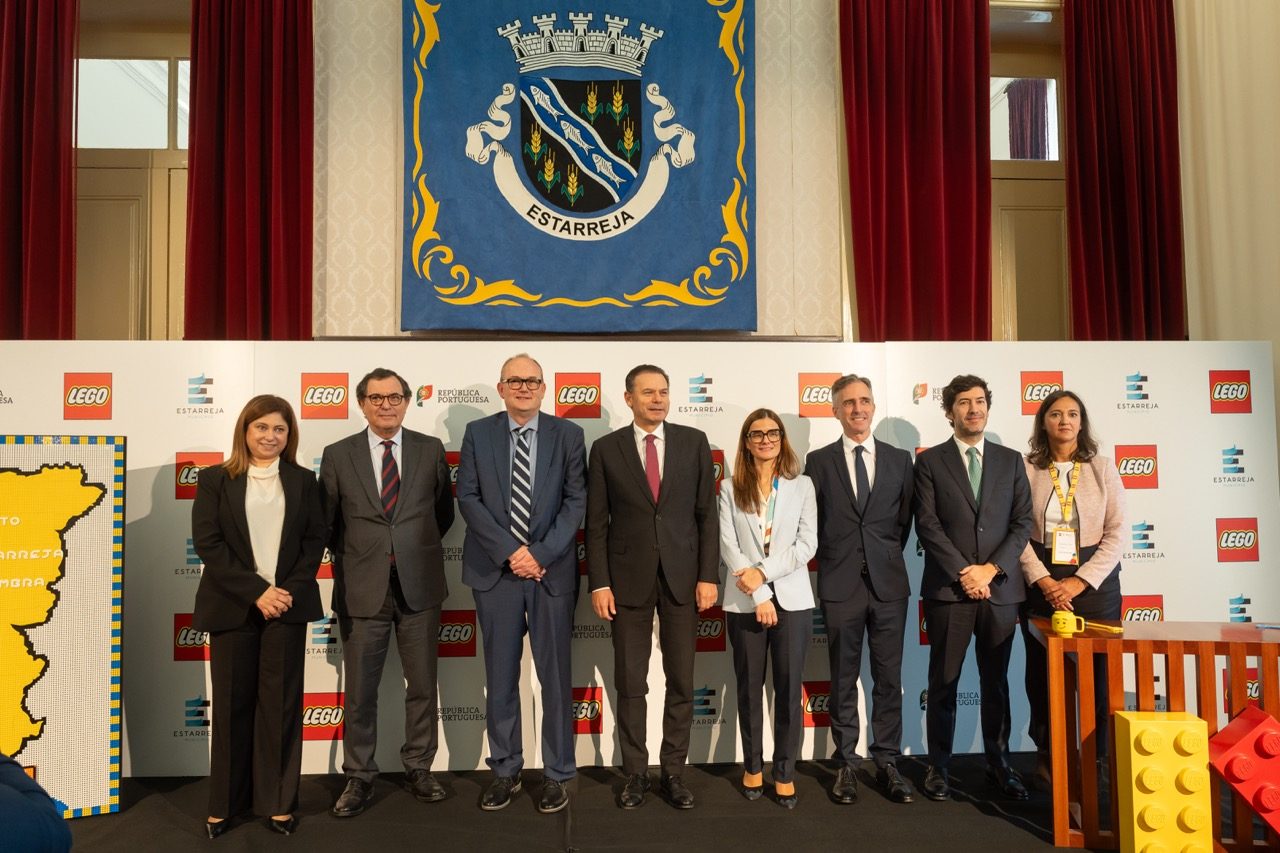
The LEGO® Group gave four reasons for its choice: Portugal is close to its markets, has good transport links, is committed to sustainability and has a skilled workforce. "Portugal stood out to us given its proximity to markets," said Carsten Rasmussen. CEO Niels B. Christiansen said the company is excited to announce the new factory in Estarreja. Prime Minister Luís Montenegro attended the launch, and his government promised to make land available and speed up construction so the jobs arrive sooner. The timing fits the company's results, too. In the first half of 2026, consumer sales rose 22% and revenue grew 21% to DKK 41.9 billion (€5.6 billion), with Western Europe among the regions driving that growth.
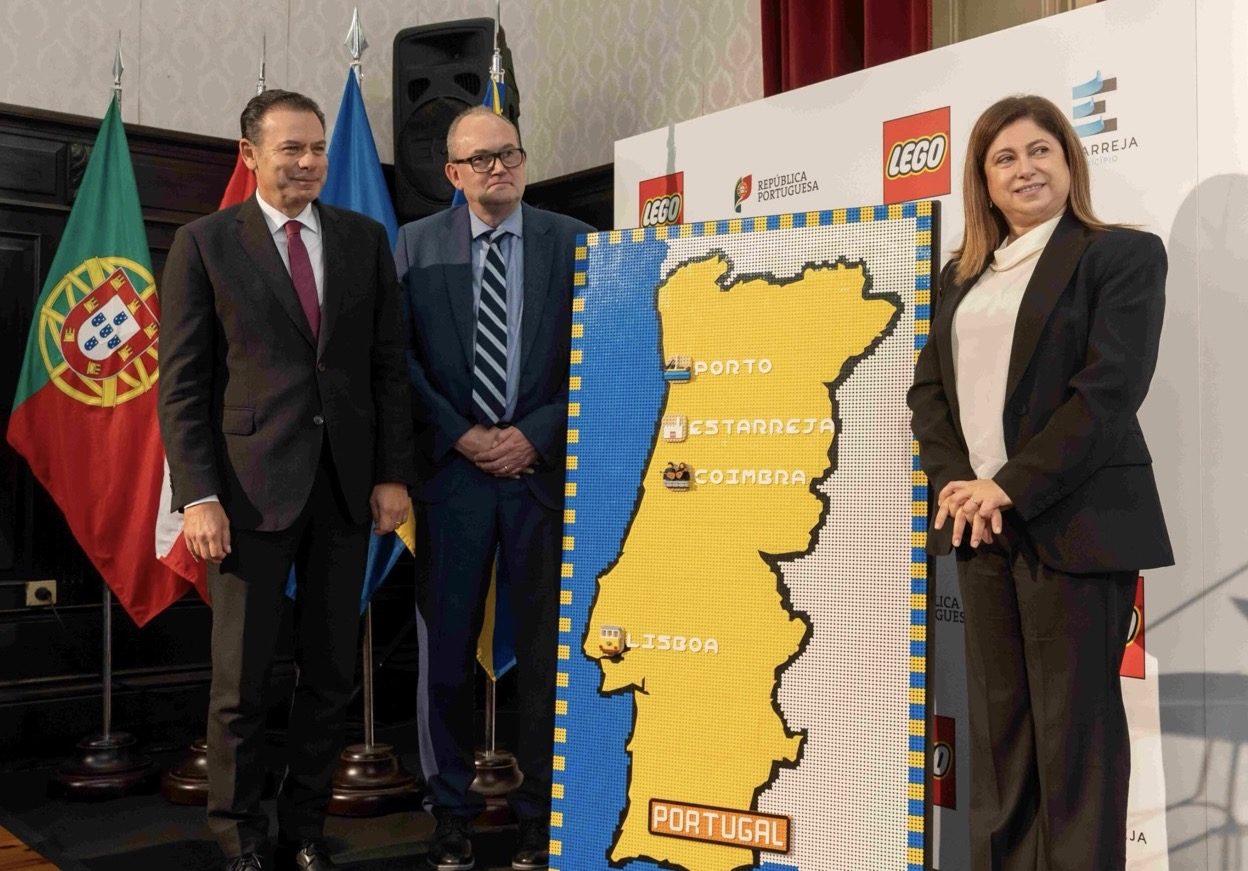
For Portuguese builders, this is a real home-team moment. In a few years, the set on your desk could have started life about 40 km from Porto. So while you wait for 2030, here's something to think about: what would you build to celebrate the first brick made in Portugal? A tiny Estarreja factory MOC sounds like a good place to start.
Estarreja LEGO® Factory FAQ
Where is the new LEGO® factory being built?
In Estarreja, a municipality in the Aveiro district of northern Portugal.
How much is the LEGO® Group investing?
About €1 billion, spread over several years.
When will the factory open?
Construction should begin in the first half of 2027. The LEGO® Group expects the factory to open and start production in 2030.
How many jobs will it create?
More than 1,000 skilled manufacturing jobs once the factory is fully running.
How big is the factory?
The building covers 115,000 m² on a 60-hectare site, roughly the area of 120 football pitches. That's less than half the building area of the LEGO® factory in Nyíregyháza, Hungary.
What will the factory produce?
Everything from moulding to packing. The site will mould and process LEGO® elements, pack finished sets and run a high-bay warehouse. The company calls it its most automated and technologically advanced factory.
Who will the factory supply?
Its output will add manufacturing capacity for Europe, the Middle East and Africa, where demand is growing. The LEGO® Group has not said whether the factory will change set prices or availability in Portugal.
How sustainable will it be?
The goal is 100% renewable energy for the factory's yearly needs, with about 80% produced on site by solar panels and battery storage. Plans also include rainwater harvesting and reuse, pollinator habitats and LEED Platinum certification.
Why did the LEGO® Group choose Portugal?
The company named four reasons: proximity to markets, transport links, sustainability commitments and a skilled local workforce.
How does Estarreja fit into the LEGO® factory network?
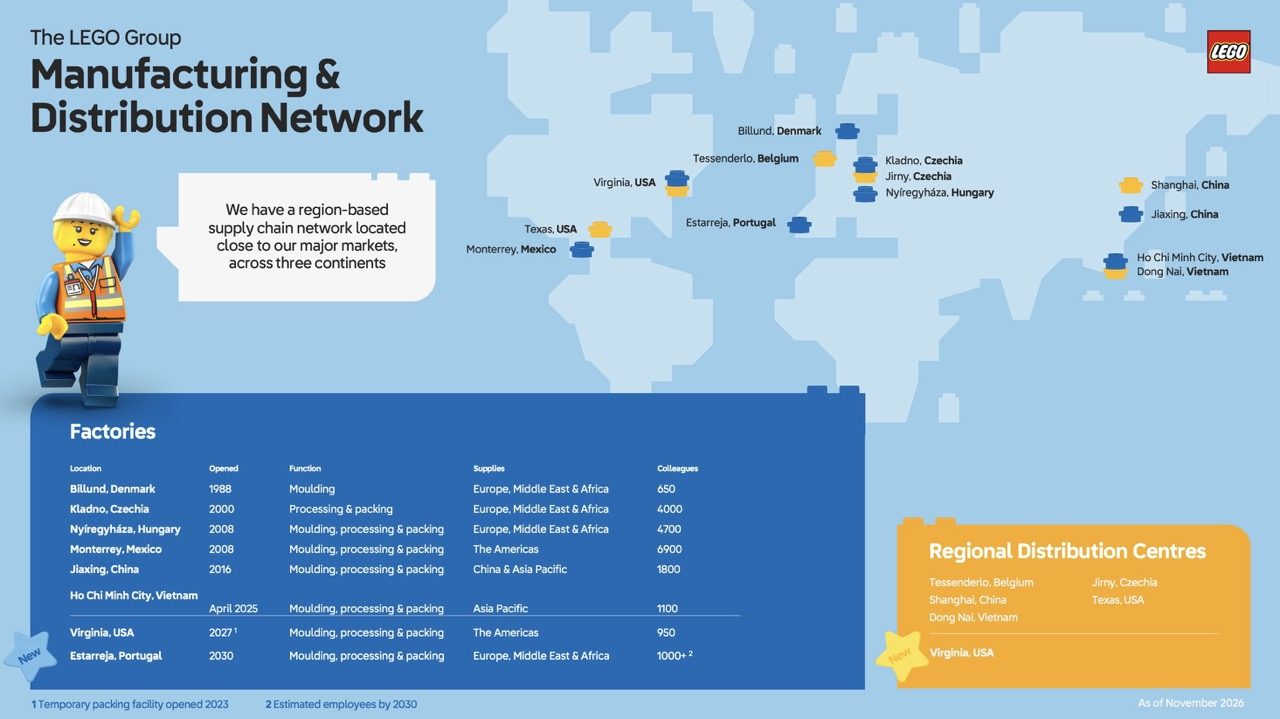
It will be the eighth LEGO® factory worldwide and the fourth in Europe, after Denmark, Hungary and Czechia. The other factories are in Mexico, China and Vietnam, and a new factory in Virginia, USA, is due to open in 2027.
What did the Portuguese government say?
Prime Minister Luís Montenegro attended the announcement in Estarreja. His government promised to make land available and speed up construction.
Can fans visit the factory?
The LEGO® Group has not announced any visitor programme or factory tours.
Comments
Join the Conversation
Sign in to post your thoughts, read comments from fellow brick fans, and stay up to date with builder updates.
We ask members to sign in because it keeps the community safe and creates a better experience for everyone.